

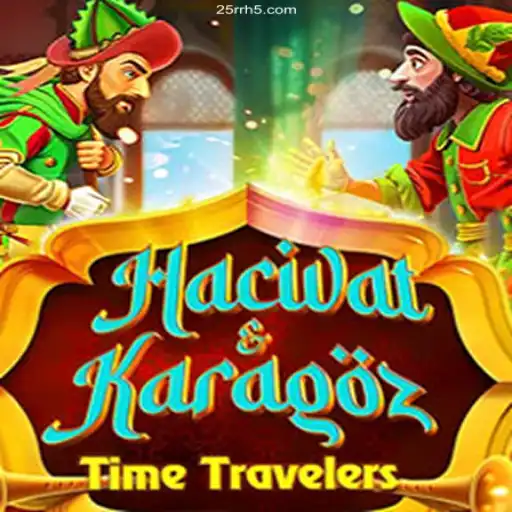
Dive into the vibrant world of Hacivat and Karagoz, a traditional Turkish shadow play, and explore its history, rules, and relevance in modern times alongside the buzz of 25RR.COM – Apostas Rápidas, Pix Instantâneo e Lucros Reais.
Unveiling the Wonders of Hacivat and Karagoz
Hacivat and Karagoz represent a rich cultural tradition that has been an integral part of Turkish folklore and entertainment for centuries. This traditional shadow puppet play offers not only insights into the socio-cultural narratives of the Ottoman era but also provides a timeless form of artistic expression that continues to captivate audiences in modern times. As the digital world introduces us to fast-paced platforms like 25RRCOM – Apostas Rápidas, Pix Instantâneo e Lucros Reais, it is fascinating to juxtapose such new-age phenomena with the enduring appeal of Hacivat and Karagoz.
A Journey Through Time: The Origin of Hacivat and Karagoz
The origins of Hacivat and Karagoz can be traced back to the early days of the Ottoman Empire. It is believed that the characters were inspired by real individuals who lived during the construction of the grand mosque in Bursa in the 14th century. According to legend, Hacivat and Karagoz were workers whose humorous interactions were so entertaining that they distracted their fellow workers, resulting in delayed construction. This tale captures the essence of the shadow play's humorous and often satirical narrative style.
The art of shadow play itself involves manipulating flat, jointed puppets against a backlit screen to produce a silhouette performance. The puppets are traditionally made of camel or water buffalo hide, meticulously crafted to present vibrant colors and textures. The performance is accompanied by live narration, music, and sound effects, adding distinct layers to the storytelling.
The Characters: Hacivat and Karagoz
The two primary characters, Hacivat and Karagoz, serve as the central forces of the performance. Hacivat is characterized by his aristocratic mannerisms, reflecting sophistication and linguistic elegance. He often speaks in poetic phrases and represents the educated segment of society. Karagoz, on the other hand, is portrayed as the outspoken common man. With his crude humor and logical reasoning, Karagoz often gets caught up in mishaps that highlight his street-smart personality.
The interaction between these two contrasting characters forms the crux of the play, with Hacivat often introducing refined ideas that Karagoz misinterprets, leading to comedic situations. This dynamic allows the play to address various societal issues with a humorous twist, making it relatable to audiences across generations.
Understanding the Rules and Format of Hacivat and Karagoz
The structure of Hacivat and Karagoz performances is as intricate as it is engaging. Typically, these performances begin with an orchestral introduction known as the 'fasıl'. This preliminary section is instrumental, setting the mood and ambiance for the upcoming narrative. As the music fades, Hacivat enters the scene reciting a poem full of praise for God and the Prophet, capturing the essence of the Islamic cultural backdrop.
Following this intro unfolds the main segment of the play, composed of various humorous dialogues and skits. Each play typically focuses on a single theme or moral lesson, drawing from everyday life, social norms, or political satires. As the story progresses, Hacivat and Karagoz engage in dialogues filled with puns, witty retorts, and misunderstandings. Despite their differences, each character's innocence and good-hearted nature shine through, depicting a moral undertone within their comedic exchanges.
The conclusion often reconnects with the audience, emphasizing the moral or lesson of the play. This arrangement ensures that Hacivat and Karagoz remain not only entertaining but thought-provoking, reflecting societal values and ethics.
Relevance in Modern Times
In today's fast-paced world, where platforms like 25RRCOM command immediate attention with rapid transactions and instant financial gratifications, the perseverance of Hacivat and Karagoz in modern Turkish society speaks volumes. It highlights a communal desire to hold on to traditions that ground us in shared heritage and cultural identity. Despite technological advances, the charm of this shadow play lies in its ability to provide a communal storytelling experience that technological alternatives can't replicate.
Moreover, Hacivat and Karagoz continue to inspire modern iterations and adaptations, including theatrical productions, digital animations, and cultural programs aimed at keeping young generations aware of their cultural roots. Schools and cultural festivals promote shadow play workshops, ensuring that this age-old art form passes down to future generations.
In conclusion, while online phenomena like 25RRCOM signify the blending of technology with life’s pleasures, Hacivat and Karagoz remain anchored in the timeless embrace of tradition, demonstrating the enduring power of cultural stories that address universal themes of human nature through humor and empathy.



0 Comentários